
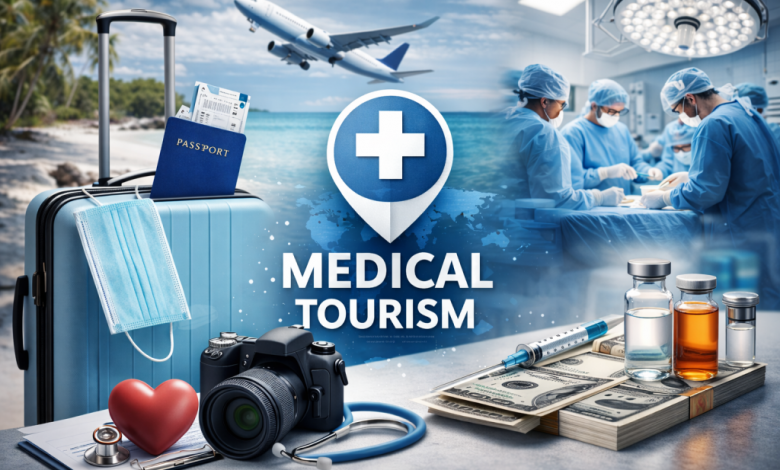
Healthcare is no longer limited by national borders. Every year, millions of people travel internationally to receive medical care, wellness treatments, or preventive health services that better match their personal needs, timelines, or budgets. This growing trend is known as medical tourism.
Medical tourism combines healthcare with international travel. Depending on the traveler’s goals, the journey may include complex surgery, a health screening, rehabilitation, fertility treatment, dental care, cosmetic procedures, or a wellness retreat designed to support long-term wellbeing.
As healthcare options continue to expand worldwide, first-time medical travelers often have important questions. How does medical tourism work? Is it safe? Which destinations provide the highest quality care? What role does a medical concierge play throughout the process?
This guide answers those questions while explaining how thoughtful planning can help create a safer, more comfortable healthcare journey.
What Is Medical Tourism?
Medical tourism refers to traveling outside one’s home country to receive medical, surgical, dental, or wellness-related care. Unlike emergency medical treatment during travel, medical tourism involves carefully planned healthcare services arranged before departure.
Medical travelers may choose international care for several reasons, including:
- Access to specialized healthcare providers
- Shorter waiting periods
- Advanced medical technologies
- Greater privacy
- Comprehensive wellness programs
- Recovery in peaceful destinations
- Personalized healthcare experiences
Today’s medical tourism industry extends far beyond hospitals. Many patients combine treatment with luxury accommodations, rehabilitation programs, nutrition support, spa therapies, and preventive wellness services that promote both physical recovery and long-term health.
How Does Medical Tourism Work?
Understanding the process helps first-time travelers prepare with confidence.
Initial Health Assessment
The journey typically begins with reviewing medical records, diagnostic reports, and treatment goals. Patients discuss available options with qualified healthcare professionals before selecting an appropriate treatment plan.
Choosing the Right Destination
Not every country specializes in the same medical services. Some destinations are recognized for orthopedic surgery, while others lead in fertility treatment, oncology, cardiovascular care, cosmetic procedures, or wellness medicine.
When evaluating destinations, travelers often consider:
- Medical expertise
- Hospital accreditation
- Language support
- Travel convenience
- Recovery environment
- Safety standards
- Total treatment costs
Treatment Planning
Before travel, appointments, hospital admissions, accommodations, airport transportation, and follow-up consultations are organized.
Many travelers choose to work with a medical concierge to simplify these arrangements and reduce unnecessary stress.
Travel and Treatment
After arriving, patients attend consultations, complete any required testing, undergo treatment, and begin recovery under medical supervision.
Recovery timelines vary depending on the procedure, making personalized planning especially important.
Returning Home
Most medical tourism journeys include follow-up appointments, virtual consultations, and communication between international healthcare providers and the patient’s local physician.
Why Is Medical Tourism Becoming More Popular?
Medical tourism has expanded significantly over the past decade due to improvements in healthcare quality, international travel, and digital communication.
Several factors contribute to this growth.
Shorter Waiting Times
In some countries, patients may wait several months for elective procedures.
Medical tourism allows eligible patients to receive treatment much sooner by accessing providers with greater scheduling availability.
Access to Specialized Expertise
Certain hospitals and physicians have developed international reputations in highly specialized areas of medicine.
Patients often travel to receive care from professionals who perform specific procedures more frequently than providers available locally.
Lower Overall Costs
Cost savings remain one of the most common reasons people explore medical tourism.
Depending on the destination and procedure, international treatment may reduce total healthcare expenses while maintaining high standards of care.
However, travelers should evaluate overall value rather than selecting a provider based solely on price.
Personalized Patient Experience
Many international healthcare providers offer individualized treatment plans with longer consultation times and dedicated patient coordinators.
This personalized approach often improves communication throughout the healthcare journey.
Wellness-Focused Recovery
Recovery plays an important role in successful treatment outcomes.
Many destinations combine medical care with wellness services such as:
- Nutrition counseling
- Physiotherapy
- Stress management
- Hydrotherapy
- Mindfulness programs
- Therapeutic massage
- Luxury accommodations designed for recovery
What Types of Treatments Are Available Through Medical Tourism?
Medical tourism includes far more than elective surgery.
Preventive Healthcare
Many travelers schedule comprehensive health screenings that include:
- Executive health assessments
- Cardiovascular evaluations
- Cancer screenings
- Genetic testing
- Diagnostic imaging
- Laboratory testing
Preventive healthcare allows individuals to identify potential health concerns before symptoms develop.
Orthopedic Procedures
Common orthopedic treatments include:
- Knee replacement
- Hip replacement
- Sports injury treatment
- Spine surgery
- Joint reconstruction
Many orthopedic centers combine surgery with structured rehabilitation programs.
Cosmetic and Reconstructive Surgery
Patients frequently travel for procedures such as:
- Facelifts
- Rhinoplasty
- Liposuction
- Breast procedures
- Body contouring
- Reconstructive surgery
Choosing an experienced surgeon with recognized credentials remains one of the most important factors when considering cosmetic medical tourism.
Dental Tourism
Dental services continue to represent one of the fastest-growing medical tourism sectors.
Popular procedures include:
- Dental implants
- Veneers
- Full-mouth reconstruction
- Crowns
- Orthodontics
Dental tourism often allows patients to complete treatment while enjoying a comfortable travel experience.
Fertility Treatments
International fertility clinics may offer:
- IVF
- Egg freezing
- Fertility preservation
- Donor programs
- Advanced reproductive medicine
Many patients seek fertility care abroad to access specialized expertise or expanded treatment options.
Wellness and Longevity Programs
Modern medical tourism increasingly includes preventive wellness services focused on long-term health rather than treating illness alone.
Examples include:
- Comprehensive wellness evaluations
- Longevity medicine
- Nutrition planning
- Hormonal health assessments
- Detox programs
- Executive wellness retreats
- Stress reduction programs
These experiences combine evidence-based healthcare with lifestyle improvements that support ongoing wellbeing.
What Is a Medical Concierge?
A medical concierge provides personalized support throughout a patient’s healthcare journey before, during, and after international travel.
Rather than simply booking appointments, a concierge helps coordinate every stage of the experience, making complex medical travel more organized and less stressful.
Typical medical concierge services include:
- Reviewing healthcare goals
- Recommending appropriate hospitals or specialists
- Coordinating consultations
- Organizing travel logistics
- Scheduling accommodations
- Managing appointment timelines
- Assisting with medical documentation
- Supporting communication between providers
- Planning recovery arrangements
- Coordinating follow-up care
For travelers seeking premium healthcare experiences, a medical concierge helps create a more seamless journey while allowing patients to focus on treatment and recovery rather than administrative details.
Is Medical Tourism Safe?
Medical tourism can be safe when travelers carefully research healthcare providers, understand the treatment process, and work with qualified professionals throughout their journey. The quality of healthcare varies between countries and facilities, making preparation an essential part of a successful experience.
Rather than selecting a destination based solely on cost, travelers should evaluate the overall quality of care, physician qualifications, hospital standards, patient support, and recovery planning.
Factors That Improve Safety
Several factors contribute to a safer medical tourism experience.
Choose Accredited Healthcare Facilities
Internationally accredited hospitals often follow recognized standards for patient safety, infection control, and clinical quality. Accreditation provides an additional layer of confidence, although it should not be the only factor considered.
Verify Physician Credentials
Patients should review a physician’s:
- Education and training
- Medical certifications
- Years of clinical experience
- Area of specialization
- Patient outcomes
- Professional memberships
Experienced specialists who regularly perform specific procedures generally provide greater confidence than providers with broader but less focused experience.
Review Medical Records Before Traveling
Complete medical records help healthcare providers develop appropriate treatment plans before arrival.
Important documents include:
- Diagnostic reports
- Imaging results
- Laboratory tests
- Medication lists
- Previous surgical history
- Allergy information
Sharing accurate medical information helps reduce unnecessary delays and improves treatment planning.
Understand Recovery Requirements
Recovery often requires more time than patients expect.
Travelers should understand:
- Recommended recovery period
- Activity restrictions
- Follow-up appointments
- Medication schedules
- Potential complications
- Emergency contact procedures
Planning sufficient recovery time before returning home can support better outcomes.
What Are the Benefits of Medical Tourism?
Medical tourism offers advantages that extend beyond financial considerations. Many travelers value the opportunity to receive personalized care in environments designed to support both treatment and recovery.
Access to Specialized Healthcare
Some hospitals focus on specific medical specialties and attract patients from around the world. This concentration of expertise allows travelers to access advanced procedures that may not be readily available in their home country.
Reduced Waiting Times
Elective procedures can involve lengthy wait times in some healthcare systems. Medical tourism may provide faster access to consultations, diagnostics, and treatment.
Personalized Patient Care
Many international healthcare providers offer a more individualized experience, including dedicated patient coordinators, extended consultation times, and customized treatment plans.
Comprehensive Wellness Support
Modern medical tourism often integrates healthcare with wellness services such as:
- Nutritional guidance
- Physical rehabilitation
- Stress management
- Sleep optimization
- Fitness coaching
- Holistic recovery therapies
This approach supports both immediate recovery and long-term wellbeing.
Comfortable Recovery Environment
Recovering in a peaceful setting can improve comfort during the healing process. Many destinations combine medical care with luxury accommodations, wellness facilities, and personalized hospitality.
What Are the Risks of Medical Tourism?
Like any healthcare decision, medical tourism carries potential risks. Understanding these challenges allows travelers to make informed choices.
Differences in Healthcare Regulations
Healthcare regulations vary between countries. Patients should understand local medical standards, licensing requirements, and legal protections before committing to treatment.
Communication Challenges
Language differences can affect consultations, informed consent, and follow-up care. Hospitals that provide multilingual support or professional interpreters help minimize communication barriers.
Travel-Related Considerations
Long-distance travel may not be suitable immediately before or after certain medical procedures. Travelers should discuss appropriate travel timelines with their healthcare provider.
Limited Follow-Up Care
Once patients return home, follow-up care may require coordination between international specialists and local healthcare providers. Planning this transition before treatment helps maintain continuity of care.
How Should First-Time Travelers Choose a Medical Tourism Destination?
Choosing the right destination involves more than comparing treatment costs. Travelers should evaluate healthcare quality, safety, convenience, and the overall patient experience.
Healthcare Quality
Look for hospitals with established reputations, experienced specialists, and recognized quality standards.
Medical Specialization
Different countries are known for different areas of healthcare. Selecting a destination that specializes in the required treatment may improve the overall experience.
Accessibility
Travel time, visa requirements, transportation options, and language support all influence the ease of the journey.
Recovery Environment
A calm, comfortable environment can support recovery. Destinations that combine healthcare with wellness services often provide additional value for patients during the healing process.
Personalized Support
Coordinating appointments, accommodations, transportation, and recovery plans independently can be challenging. Many travelers choose professional concierge support to simplify these arrangements.
How Do Luxury Wellness Retreats Complement Medical Tourism?
Medical treatment is only one part of a successful healthcare journey. Recovery, stress management, nutrition, and lifestyle improvements also play important roles in long-term wellbeing.
Luxury wellness retreats provide an environment where travelers can focus on healing while receiving personalized wellness support.
Depending on the destination, wellness programs may include:
- Personalized nutrition plans
- Guided fitness sessions
- Yoga and meditation
- Sleep optimization
- Spa therapies
- Hydrotherapy
- Stress management coaching
- Preventive health assessments
These experiences are designed to complement medical care rather than replace it.
For individuals seeking preventive healthcare or post-treatment recovery, combining medical services with a structured wellness program creates a more comprehensive approach to health.
How Can a Medical Concierge Enhance the Experience?
Planning medical travel involves many moving parts. A medical concierge helps coordinate these details while allowing patients to focus on their health.
Professional concierge services may assist with:
Healthcare Coordination
- Scheduling consultations
- Organizing medical records
- Coordinating specialists
- Managing treatment timelines
Travel Planning
- Flights
- Airport transfers
- Luxury accommodations
- Ground transportation
Recovery Planning
- Wellness retreat recommendations
- Rehabilitation arrangements
- Nutrition support
- Follow-up scheduling
Ongoing Communication
Maintaining communication between healthcare providers before, during, and after treatment helps create a more organized patient experience.
Why Choose The Luxe Travel Box for Luxury Wellness and Medical Concierge Experiences?
Planning healthcare abroad involves more than selecting a destination. It requires careful coordination, trusted guidance, and personalized support throughout the journey.
The Luxe Travel Box specializes in curated luxury wellness retreats and premium medical concierge experiences designed for travelers who value comfort, personalized planning, and wellbeing.
Led by Jo Morgan, who brings more than 20 years of experience in health, fitness, and wellbeing, The Luxe Travel Box helps travelers explore wellness-focused journeys with confidence. From selecting suitable wellness destinations to coordinating personalized travel experiences, every detail is thoughtfully planned to support a seamless and comfortable journey.
Whether someone is seeking preventive wellness, post-treatment recovery, or a luxury retreat focused on long-term health, personalized planning allows every experience to align with individual goals and preferences.
Common Mistakes First-Time Medical Travelers Should Avoid
Preparing carefully can help travelers avoid unnecessary complications.
Common mistakes include:
- Choosing a provider based only on price
- Not researching physician qualifications
- Ignoring recovery time requirements
- Traveling home too soon after treatment
- Failing to obtain complete medical records
- Overlooking travel insurance details
- Skipping follow-up care planning
- Not understanding local healthcare regulations
- Booking accommodations without considering recovery needs
Taking time to plan each stage of the journey helps create a safer and more comfortable experience.
Conclusion
Medical tourism has become an increasingly popular option for individuals seeking specialized healthcare, preventive wellness, and personalized treatment experiences around the world. While the benefits can include access to experienced specialists, shorter waiting times, and comprehensive wellness support, successful medical travel depends on thoughtful planning and informed decision-making.
Choosing qualified healthcare providers, understanding the treatment process, and allowing adequate time for recovery are essential steps for first-time travelers.
For those seeking a more seamless experience, combining medical care with luxury wellness services and professional concierge support can simplify every stage of the journey. Personalized planning not only reduces travel-related stress but also allows patients to focus on what matters most—their health, recovery, and long-term wellbeing.
Frequently Asked Questions
What is medical tourism?
Medical tourism is the practice of traveling to another country to receive medical treatment, surgery, dental care, preventive healthcare, or wellness services.
Why do people choose medical tourism?
People choose medical tourism to access specialized healthcare, reduce waiting times, receive personalized care, explore wellness programs, or seek treatment options that better meet their individual needs.
Is medical tourism safe?
Medical tourism can be safe when travelers choose qualified healthcare providers, verify hospital credentials, review physician experience, and plan their recovery carefully.
What is a medical concierge?
A medical concierge provides personalized assistance with healthcare planning, specialist referrals, appointment scheduling, travel coordination, accommodations, and recovery arrangements.
Which treatments are most common in medical tourism?
Popular treatments include orthopedic surgery, cosmetic procedures, dental care, fertility treatments, preventive health screenings, rehabilitation, and wellness programs.
What should travelers consider before choosing a destination?
Travelers should evaluate healthcare quality, physician expertise, hospital accreditation, recovery facilities, travel requirements, language support, and overall patient experience.
How long should someone stay after treatment?
Recovery time depends on the specific procedure. Travelers should follow their physician’s recommendations before planning their return home.
Can wellness retreats support medical recovery?
Yes. Wellness retreats may complement recovery by providing nutrition guidance, stress management, fitness programs, spa therapies, and relaxation in a supportive environment.
Does travel insurance cover medical tourism?
Coverage varies by provider and policy. Travelers should review their insurance benefits before arranging international medical care.
Who benefits most from medical concierge services?
Medical concierge services are valuable for individuals seeking personalized support, coordinated healthcare planning, luxury wellness experiences, and assistance managing complex travel arrangements.